Szukaj
.png "JamEdu")
US Dollar
PL

.png)
Witamy w serwisie edukacyjnym Jam


Gry dla dzieci
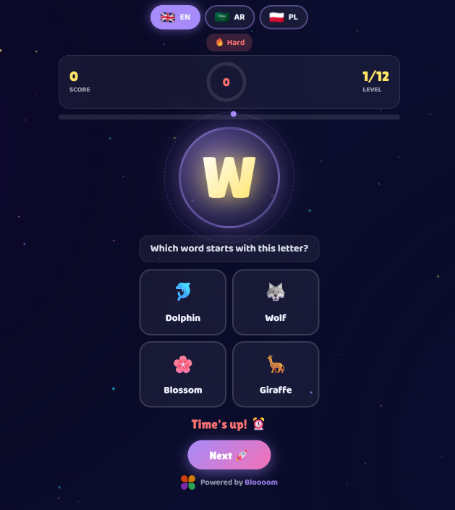
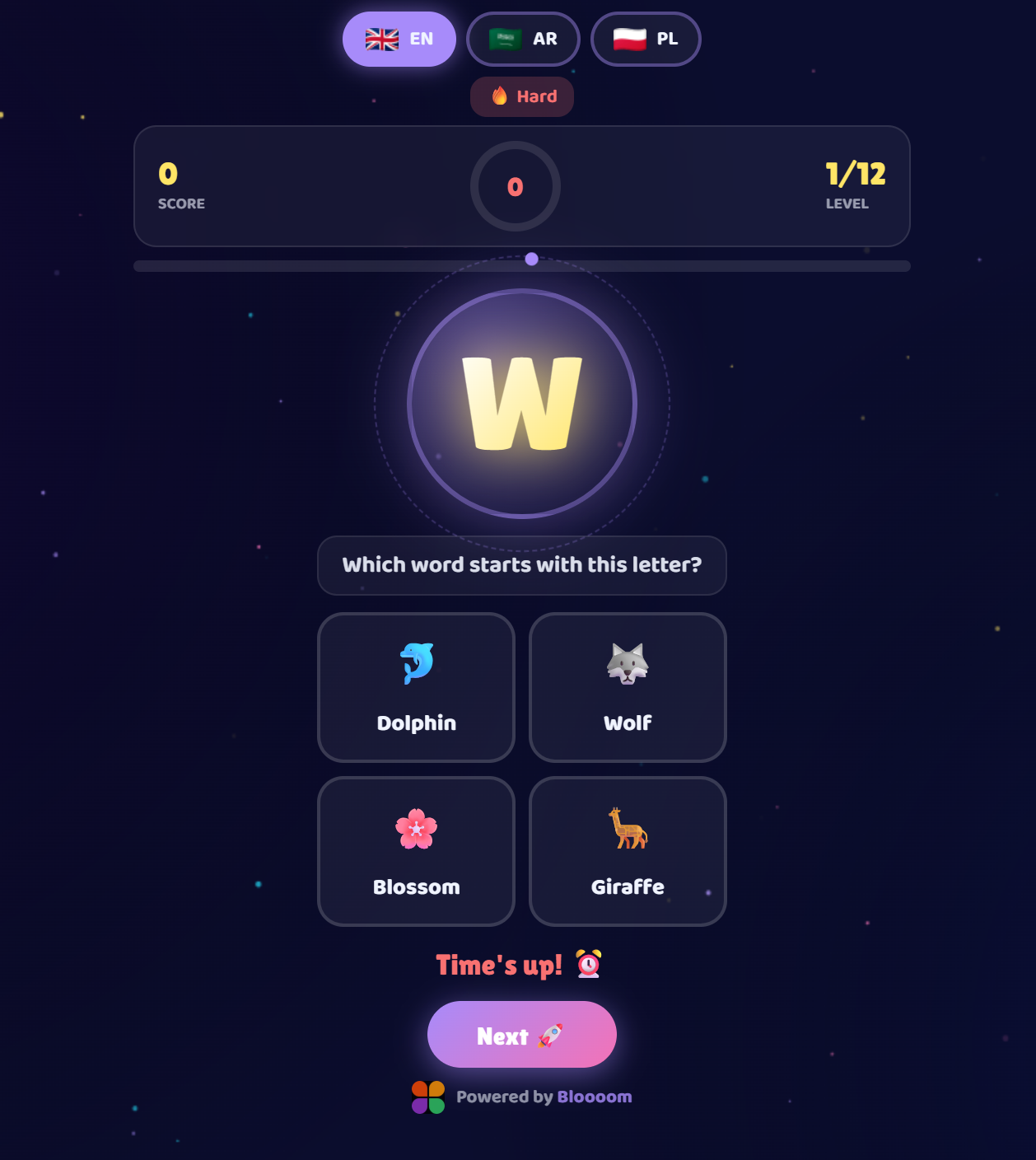
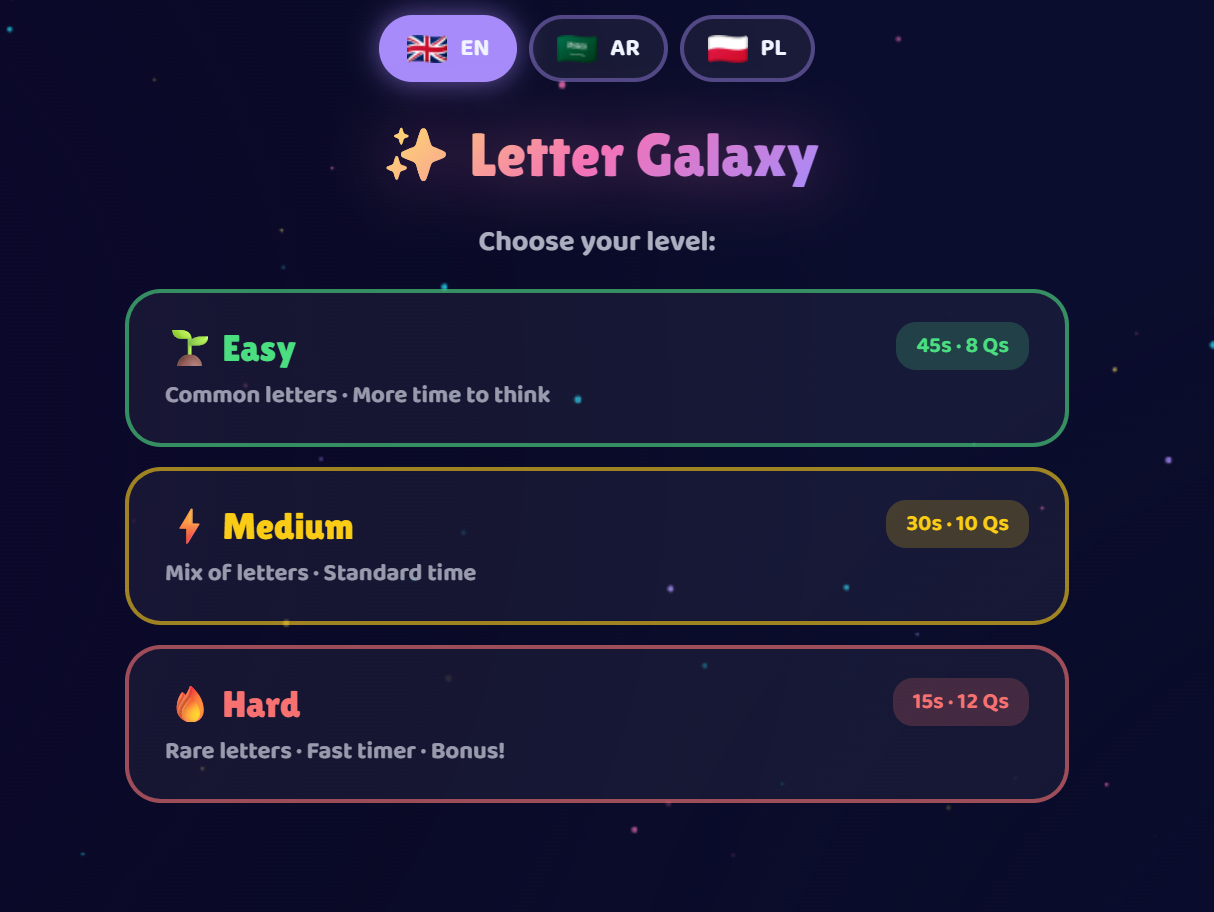
Kosmiczna przygoda z alfabetem, w której dzieci przemierzają galaktykę, dopasowując litery, rozpoznając wielkie i małe znaki oraz budując świadomość fonetyczną. Każda poprawna odpowiedź wysyła je głębiej wśród gwiazd. Zaprojektowana dla dzieci w wieku 5–8 lat, wzmacnia rozpoznawanie liter, podstawy wczesnego czytania i instynkt ortograficzny poprzez szybką, nagradzaną zabawę. System mnożnika serii zachęca dzieci do skupienia i budowania rozpędu.
$0.00
Go To Product Page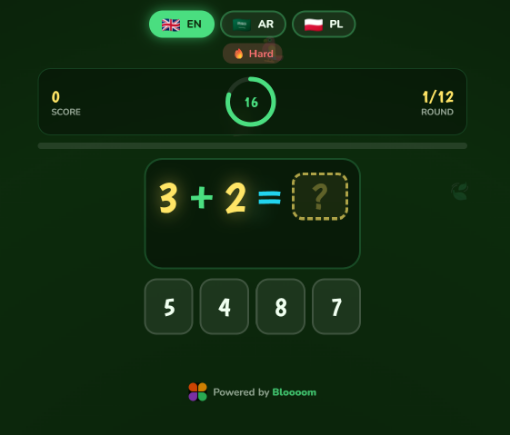
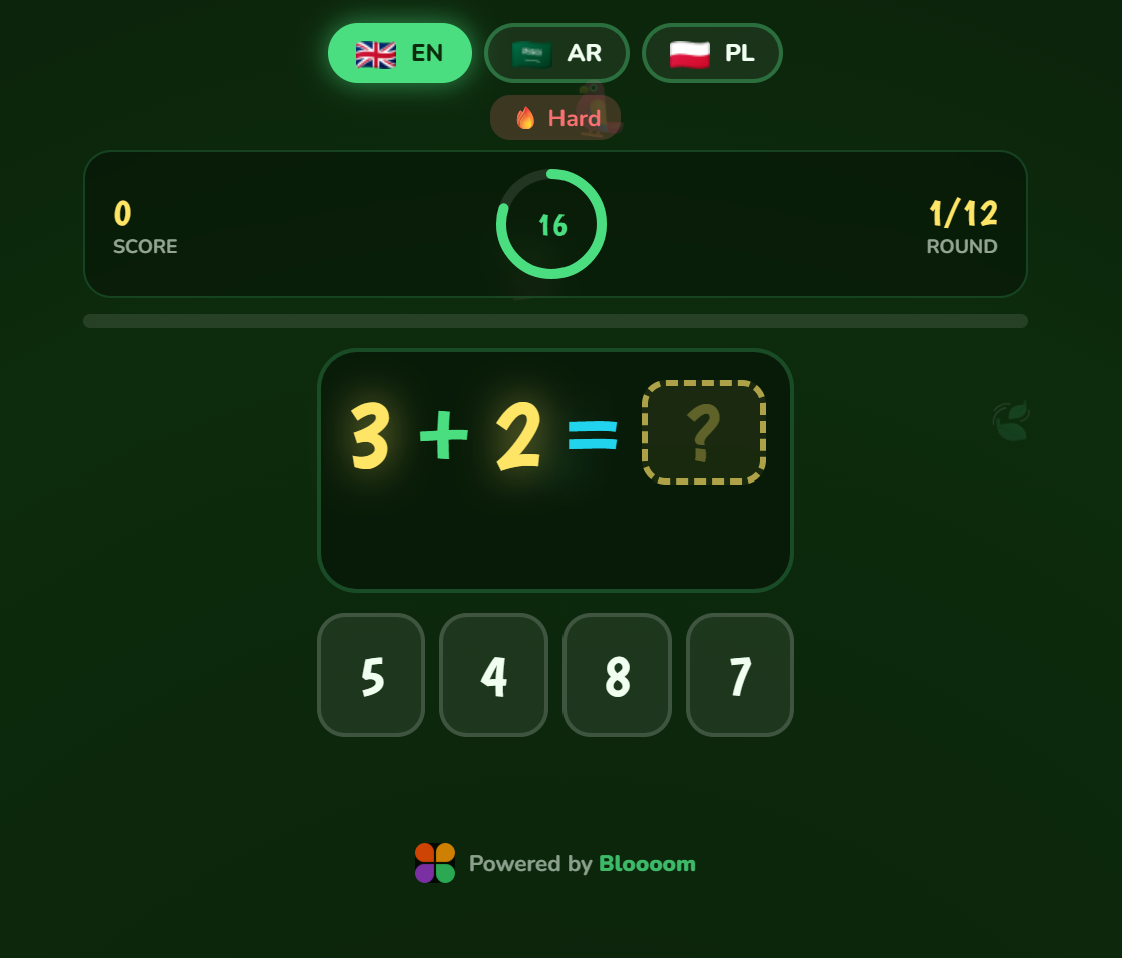
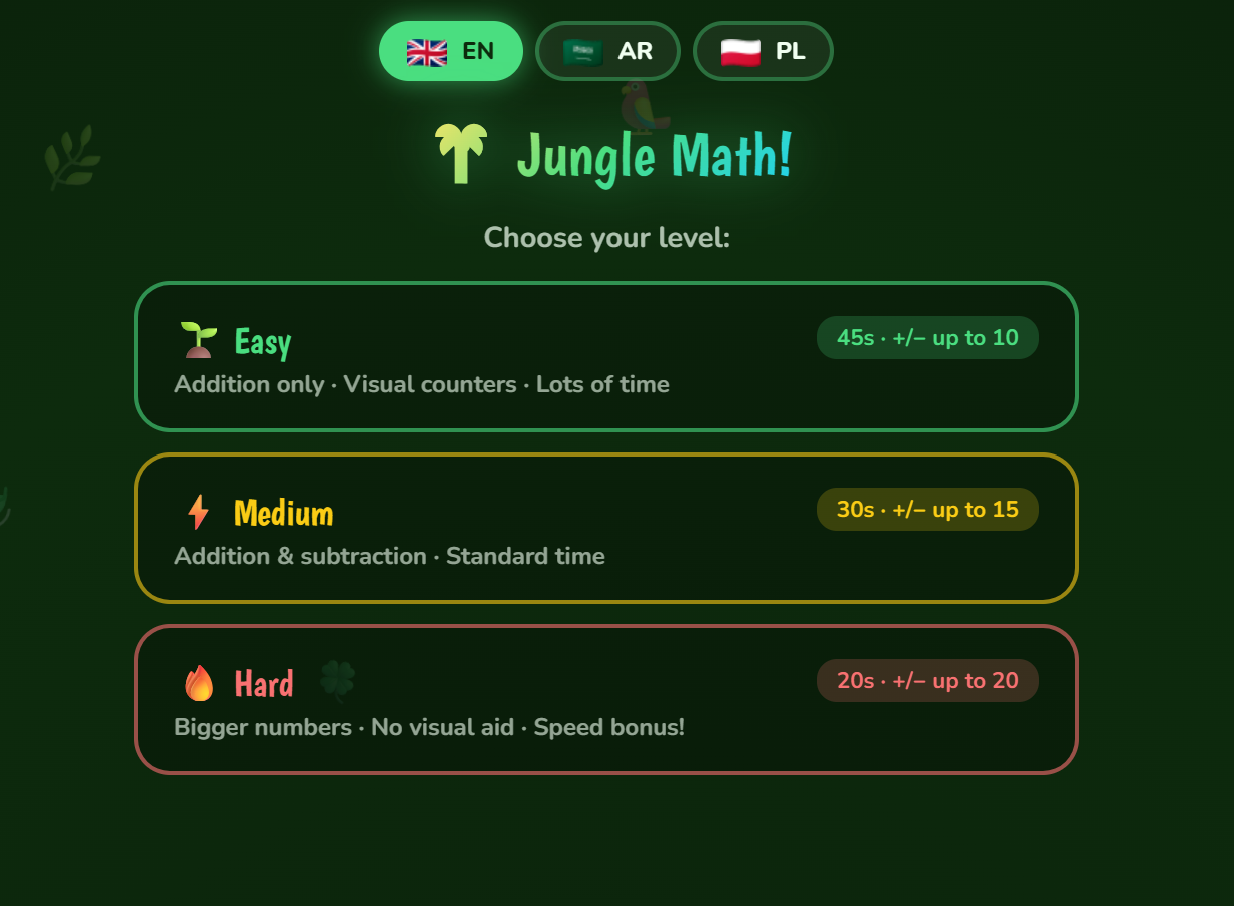
Bujna przygoda w dżungli, która zamienia dodawanie i odejmowanie w ekscytującą wyprawę. Dzieci rozwiązują zadania matematyczne w otoczeniu animowanych drzew, owoców i odgłosów dżungli, korzystając z wizualnych liczników wspierających zrozumienie. Idealne dla dzieci w wieku 6–8 lat, utrwala wyczucie liczby, arytmetykę mentalną i szybkość rozwiązywania problemów. Odliczanie stwarza zdrową presję do szybkiego myślenia, a wizualne pomoce w postaci owoców zapewniają, że żadne dziecko nie zostaje w tyle.
$0.00
Go To Product Page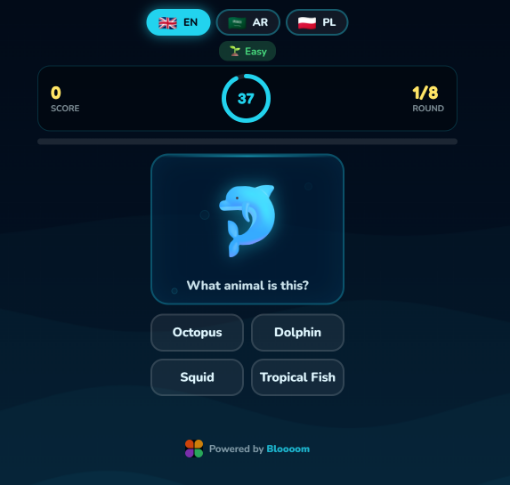
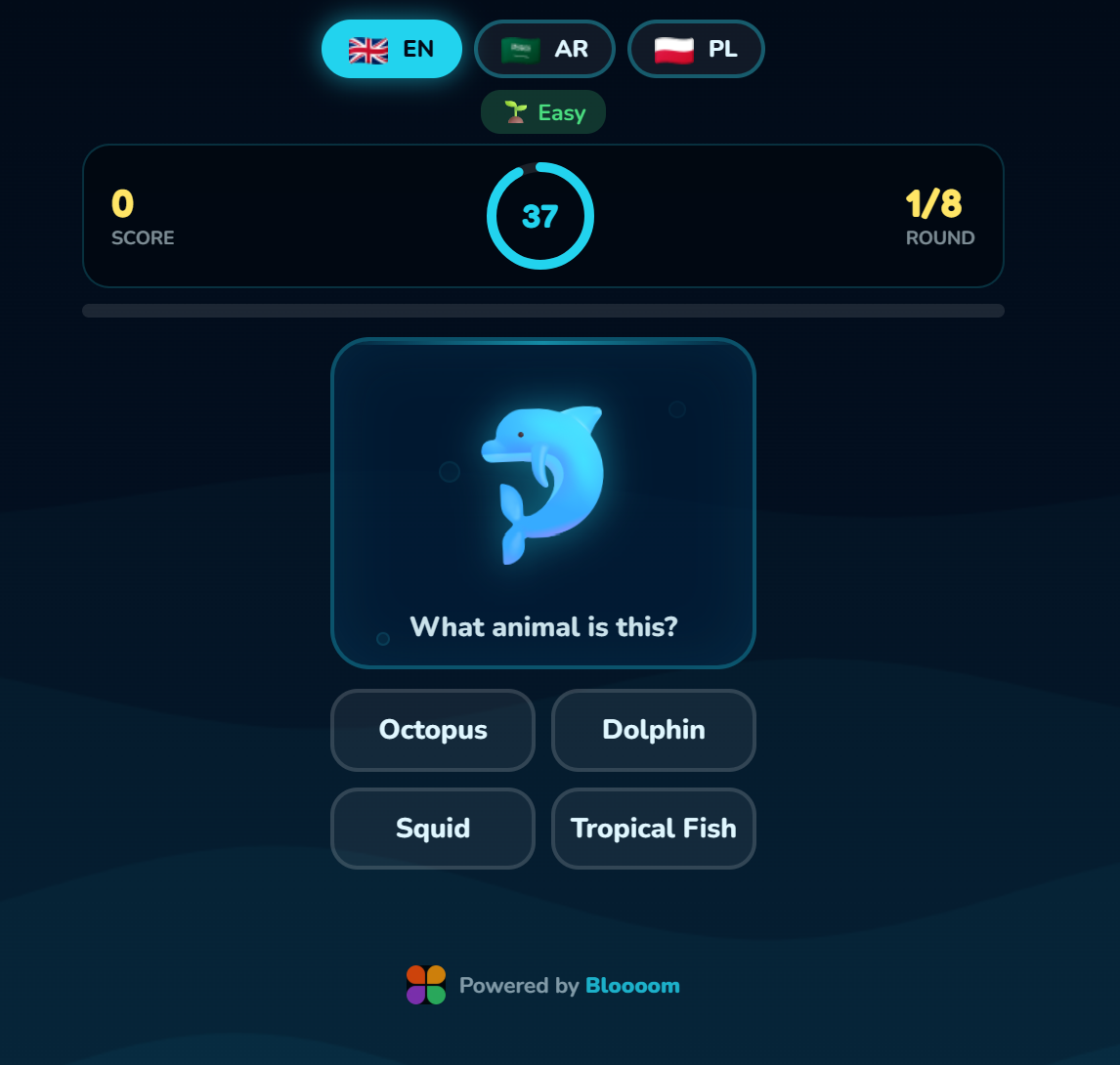
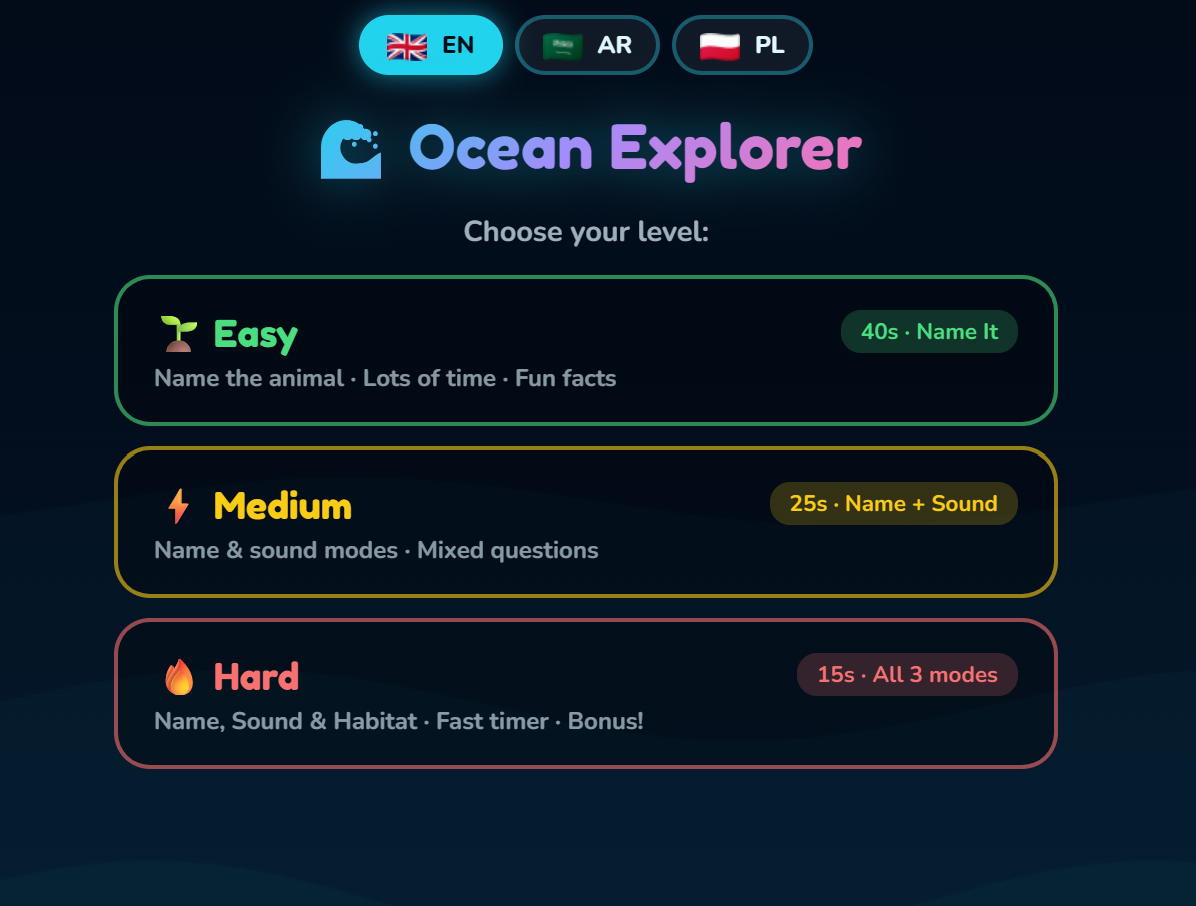
Zanurz się w głębinach i odkryj fascynujące stworzenia oceaniczne! Dzieci rozpoznają zwierzęta po nazwie, dźwięku i naturalnym środowisku w trzech różnych trybach gry. Idealna dla wieku 6–8 lat, gra rozwija słownictwo, świadomość naukową i ogólną wiedzę o życiu morskim. Po każdej odpowiedzi pojawiają się ciekawostki, zamieniając każdą rundę w mini-lekcję przyrody, która rozbudza ciekawość świata pod falami.
$0.00
Go To Product Page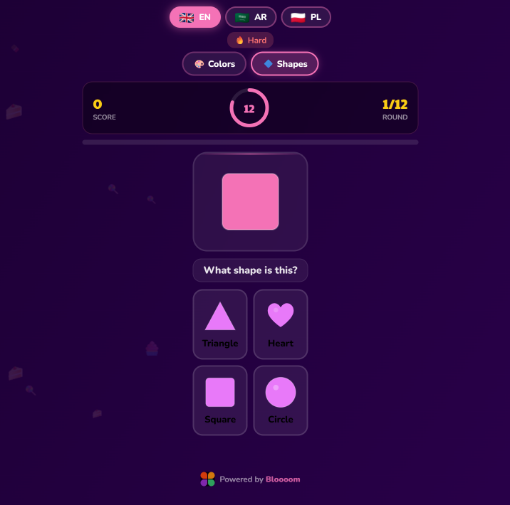
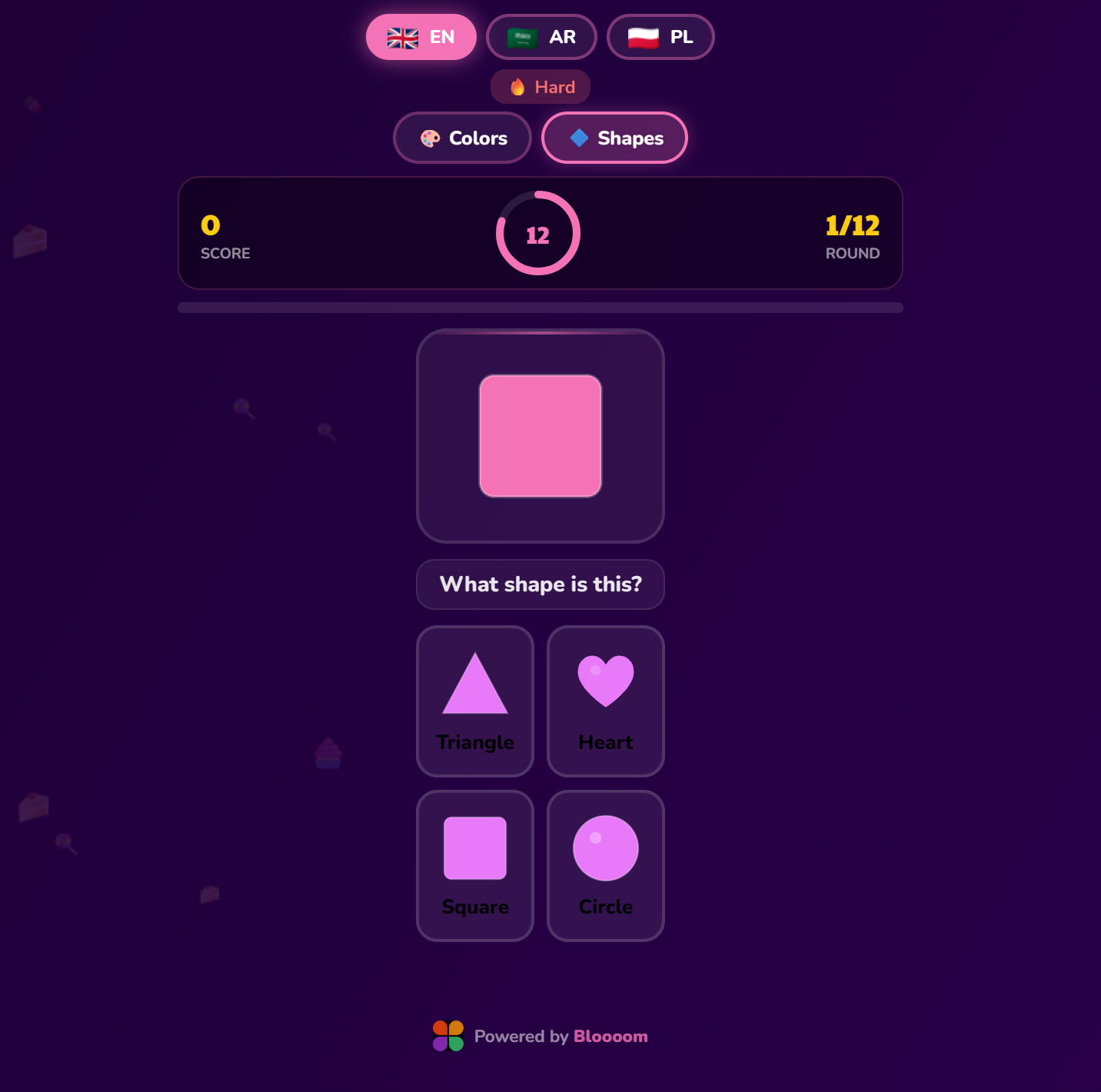
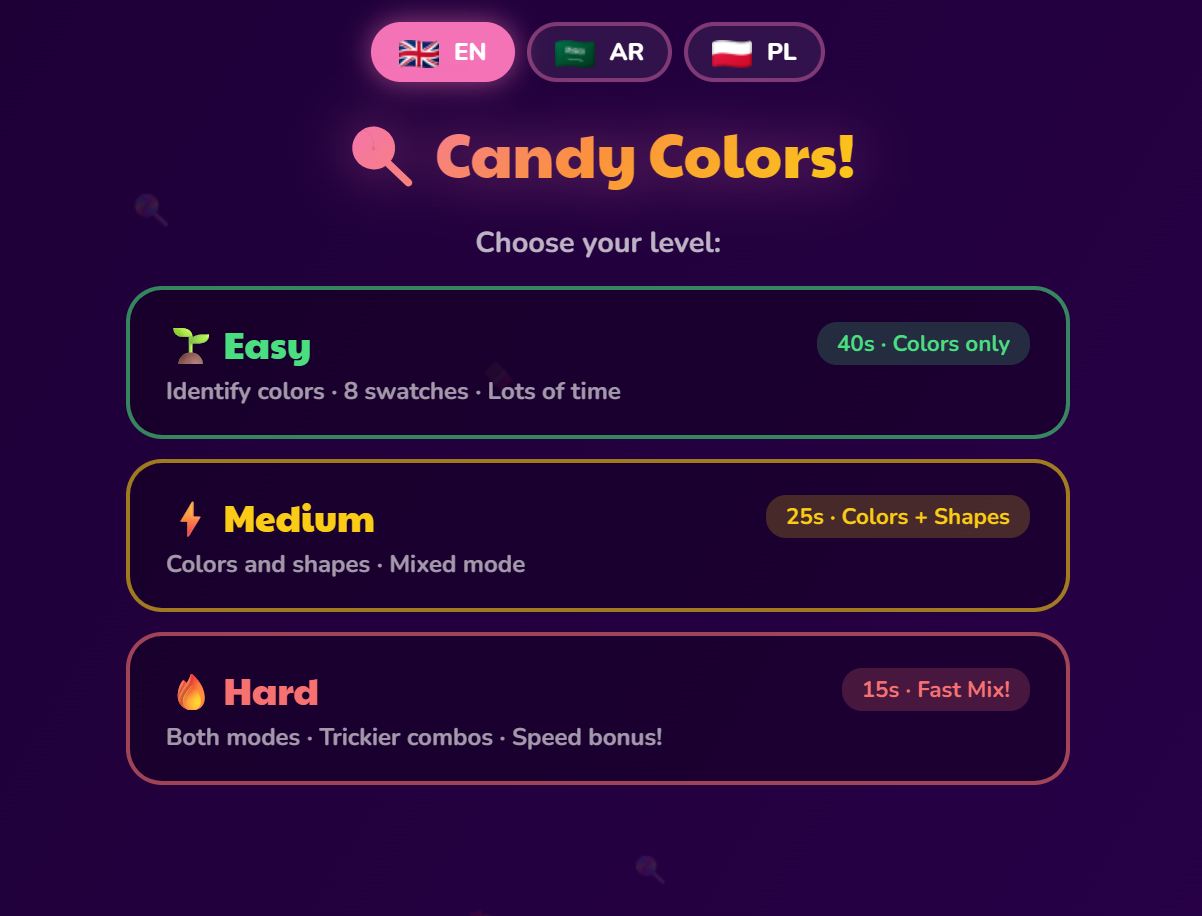
Żywa gra w słodkim klimacie, gdzie dzieci dopasowują kolory i rozpoznają kształty w słodkim, pełnym zabawy świecie. Dzieci poznają nazwy 8 kolorów i 8 kształtów geometrycznych poprzez szybkie rundy wypełnione słodyczami, błyskami i wesołymi animacjami. Idealna dla wieku 5–7 lat, rozwija spostrzegawczość wzrokową, słownictwo związane z kolorami oraz rozpoznawanie kształtów – kluczowe podstawy dla wczesnej matematyki i sztuki. Kolorowy design przyciąga uwagę i sprawia, że nauka staje się przyjemnością.
$0.00
Go To Product Page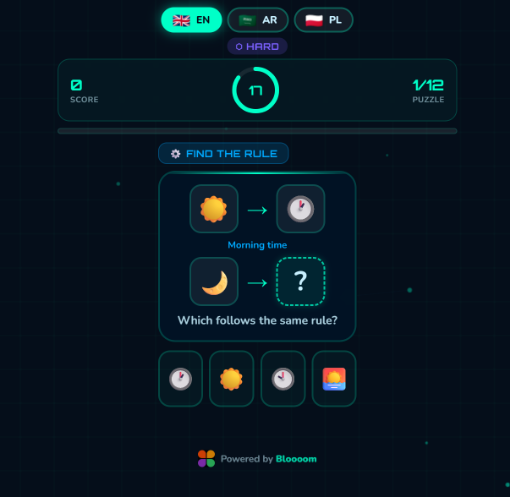
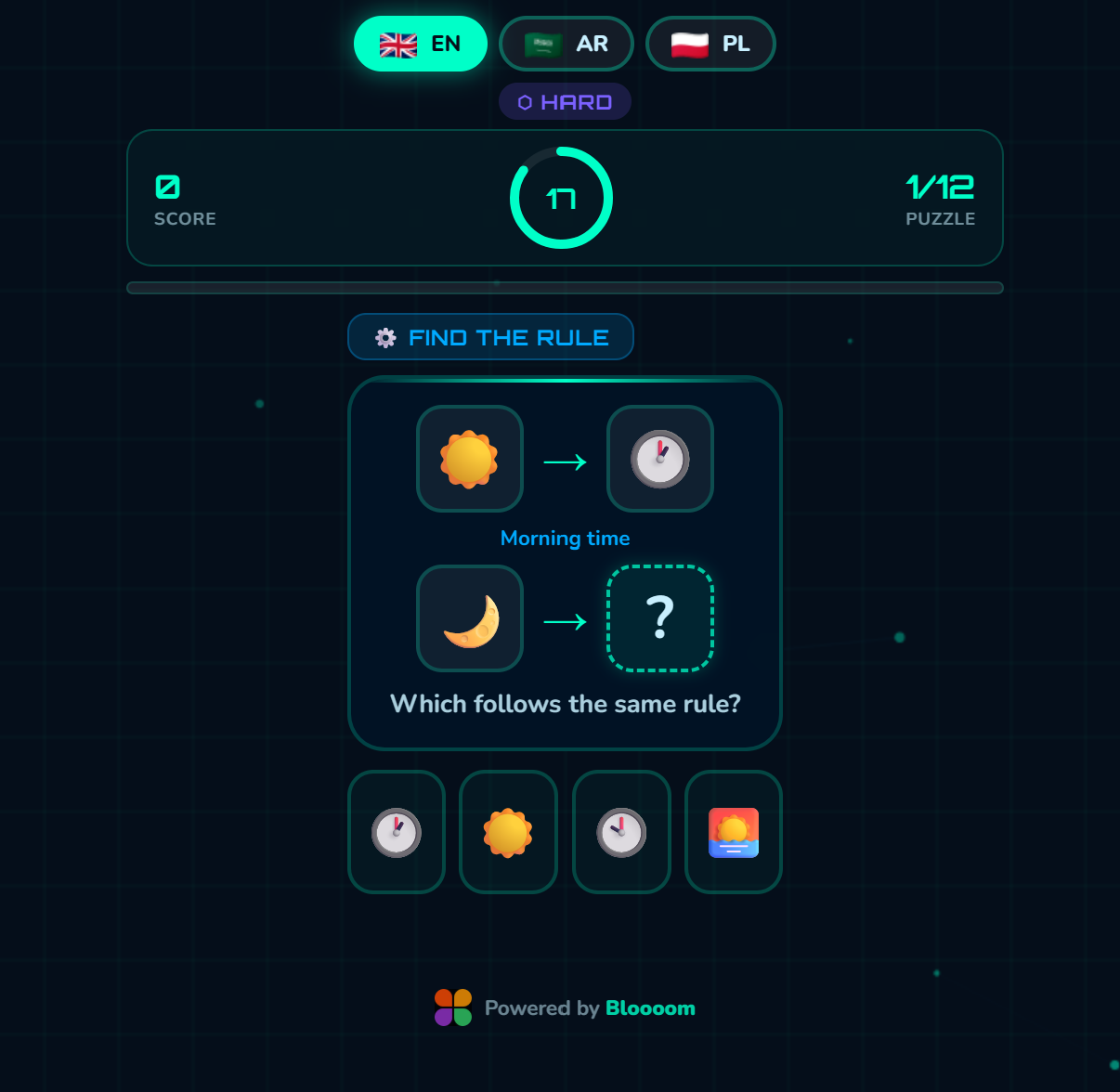
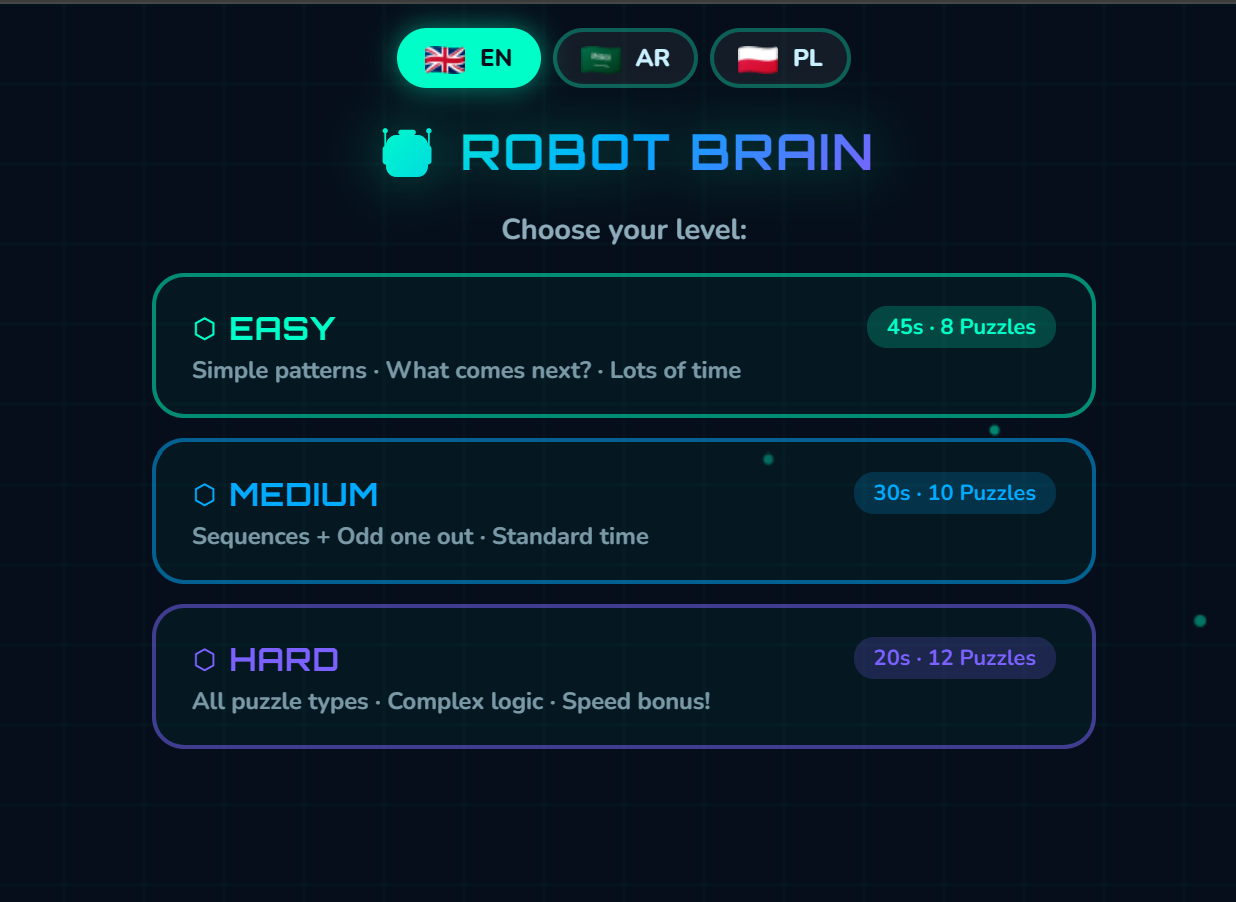
Wyzwanie logiczne i dedukcyjne, w którym dzieci pomagają przyjaznemu robotowi rozwiązywać łamigłówki. Trzy rodzaje zagadek — ciągi liczbowe, wyszukiwanie elementu niepasującego i reguły wzorów — uczą dzieci systematycznego i krytycznego myślenia. Stworzone dla wieku 7–9 lat, rozwijają myślenie logiczne, rozpoznawanie wzorców i umiejętności analitycznego rozumowania, które są podstawą matematyki, nauk ścisłych i codziennego rozwiązywania problemów. Każda rozwiązana łamigłówka odblokowuje satysfakcjonujący moment „zatwierdzone przez robota”.
$0.00
Go To Product Page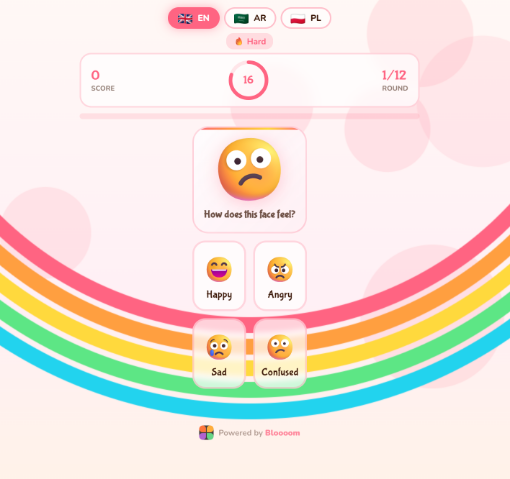
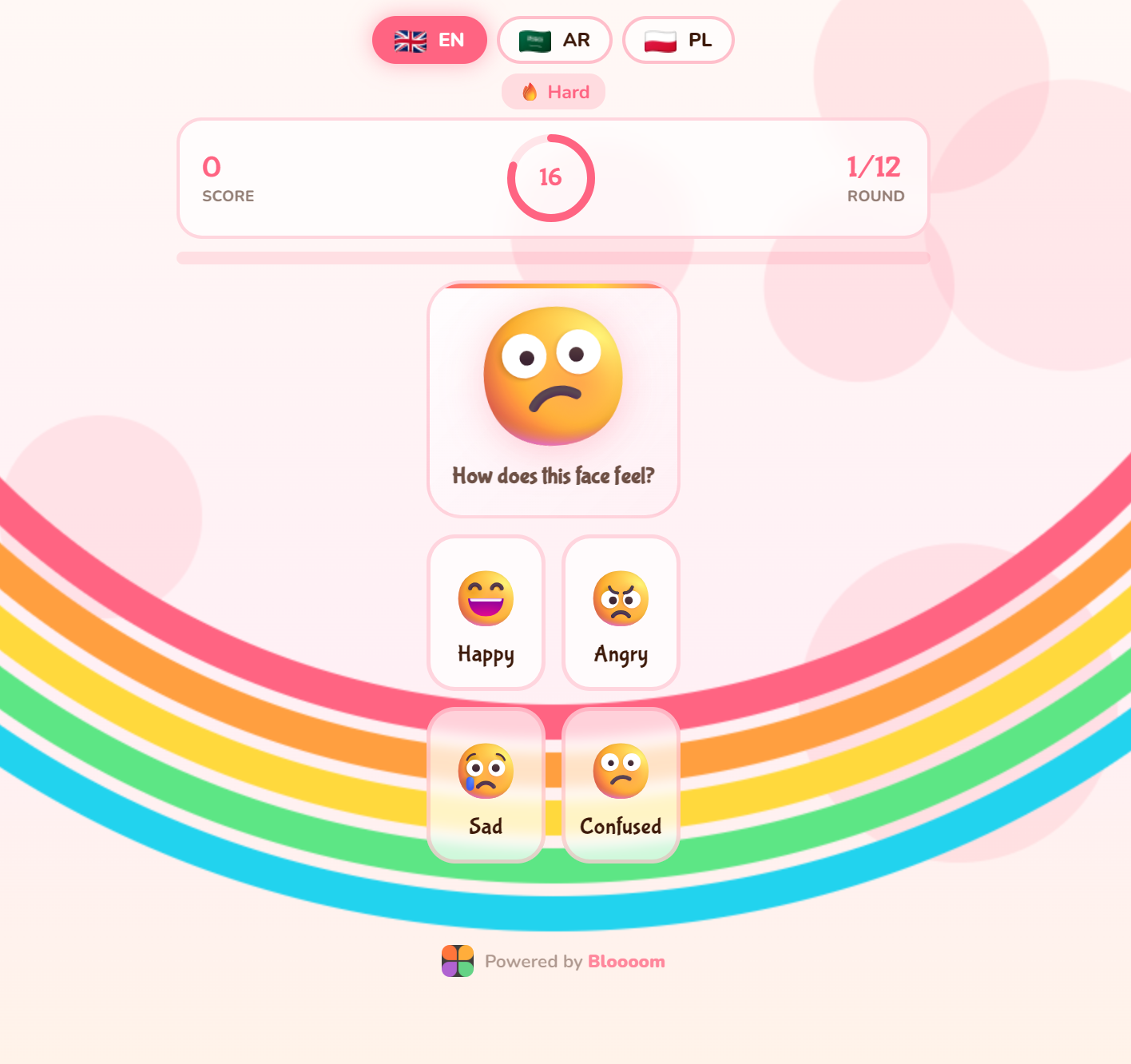
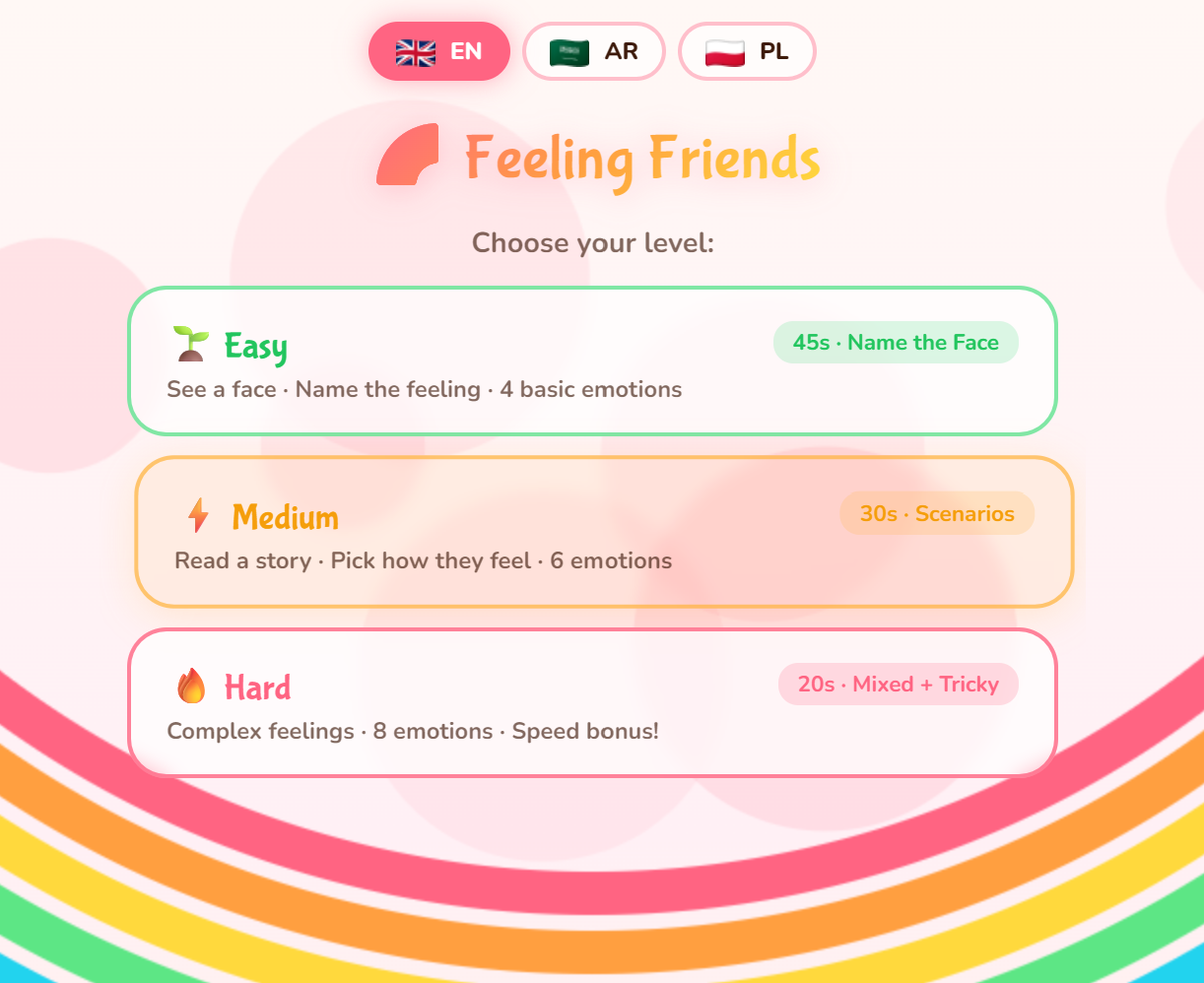
Gra emocjonalna rozwijająca empatię, w której dzieci rozpoznają uczucia na podstawie wyrazów twarzy i scenariuszy historyjek. Dzieci dopasowują emocje do sytuacji i uczą się nazw 12 różnych uczuć w dwóch trybach — rozpoznawanie mimiki i scenki z opowieści. Zaprojektowana dla dzieci w wieku 5–8 lat, rozwija słownictwo emocjonalne, empatię i świadomość społeczną. Rozumienie emocji pomaga dzieciom lepiej się komunikować, zarządzać własnymi uczuciami i budować silniejsze przyjaźnie.
$0.00
Go To Product Page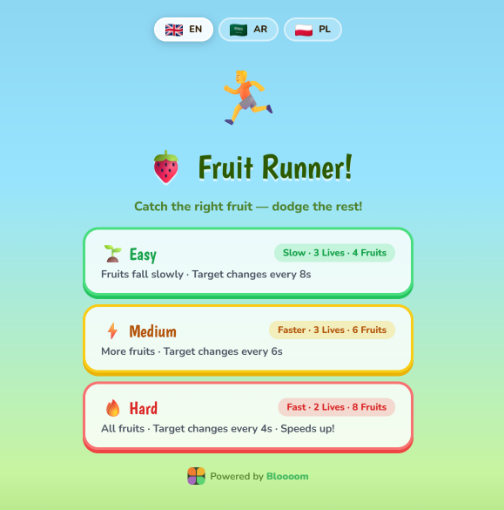
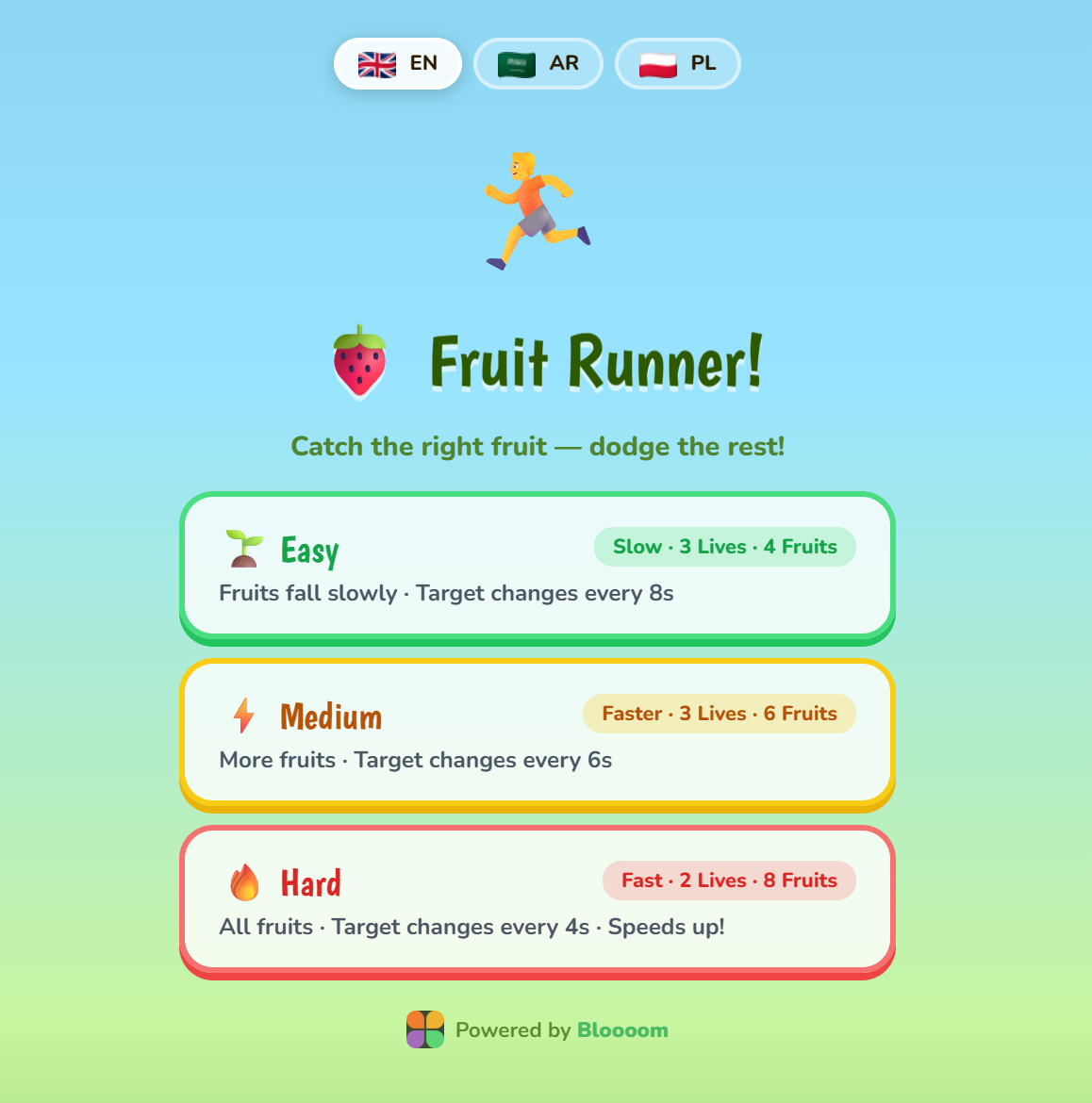
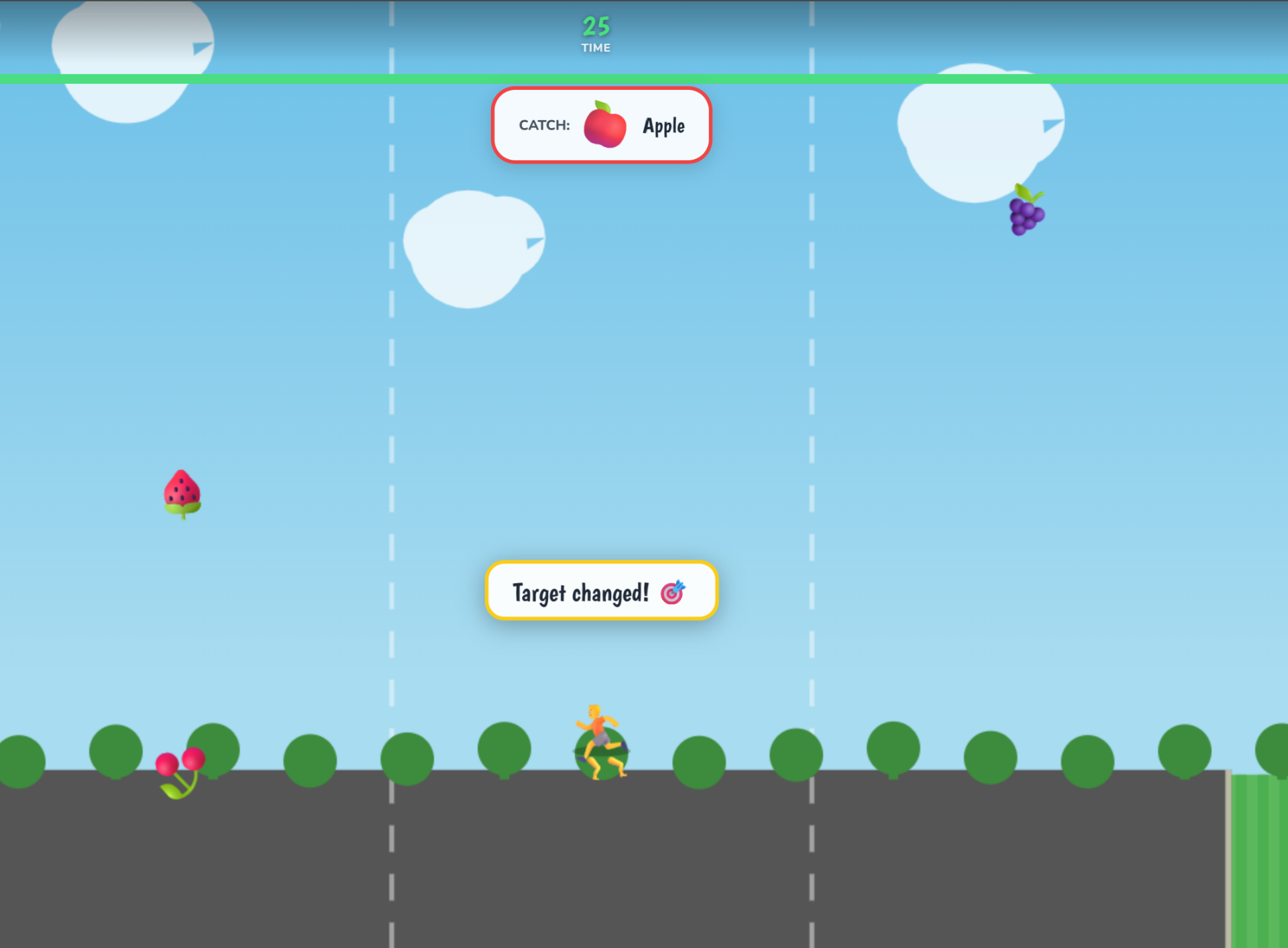
Szybka, bocznie przewijana gra zręcznościowa, w której dzieci pędzą trzypasmową drogą, łapiąc właściwe owoce, zanim skończy się czas. Celowy owoc zmienia się co kilka sekund, trenując u dzieci szybkie czytanie, błyskawiczną reakcję i koncentrację pod presją. Złapanie właściwego owocu dodaje cennych sekund do zegara. Świetna dla dzieci w wieku 6–9 lat, wyostrza rozpoznawanie napisów, czas reakcji, uwagę wzrokową i podejmowanie decyzji — wszystko to, budując zdrowe instynkty rywalizacji.
$0.00
Go To Product Page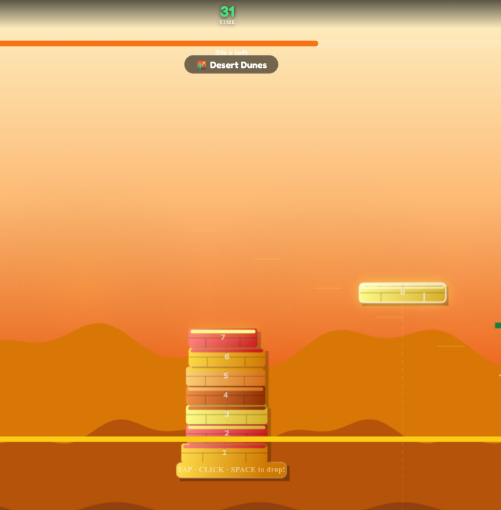
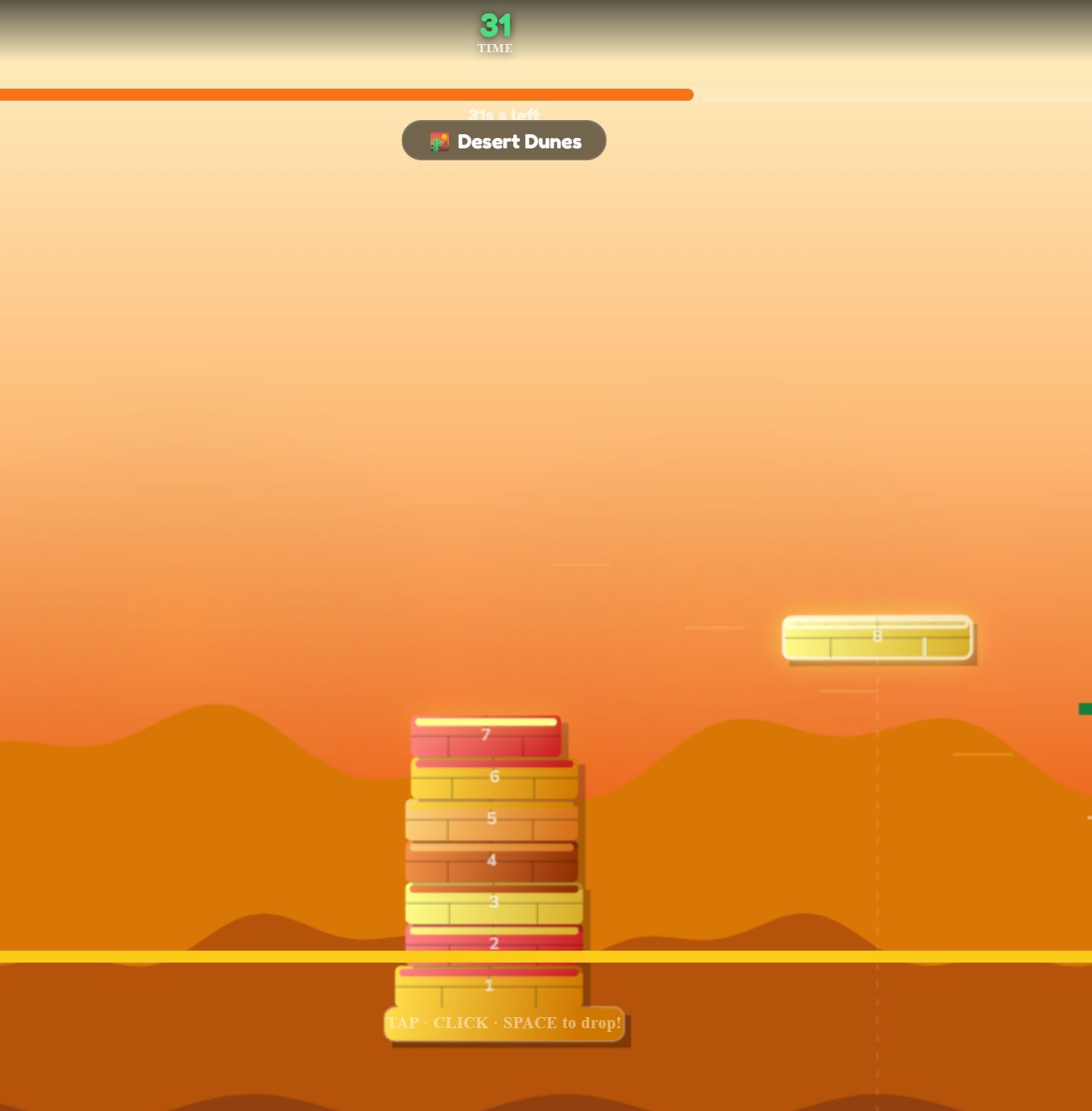
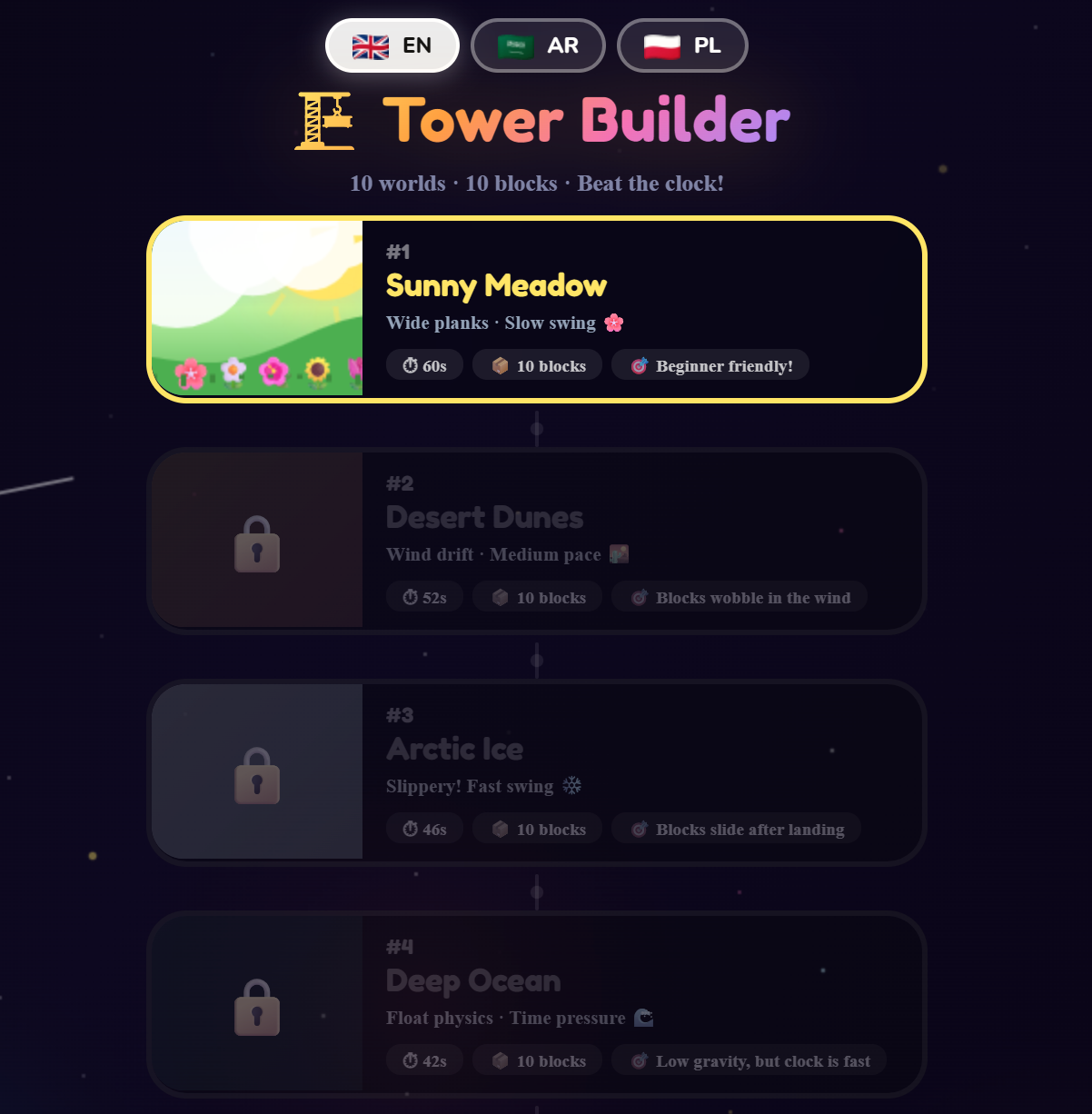
Inżynieryjne wyzwanie rozgrywające się w 10 unikalnych światach, gdzie dzieci zrzucają bloki, by zbudować najwyższą możliwą wieżę w wyznaczonym czasie. Każdy świat wprowadza nowy fizyczny zakręt — śliski lód, sprężyste chmury, niska grawitacja w kosmosie, kurczące się bloki z lawy. Dzieci muszą oceniać czas, ułożenie i pozycjonowanie przestrzenne, aby precyzyjnie układać bloki. Idealne dla wieku 7–10 lat, rozwija koordynację wzrokowo-ruchową, myślenie przestrzenne, koncentrację i cierpliwość — jednocześnie czyniąc pojęcia fizyczne namacalnymi i zabawnymi.
$0.00
Go To Product Page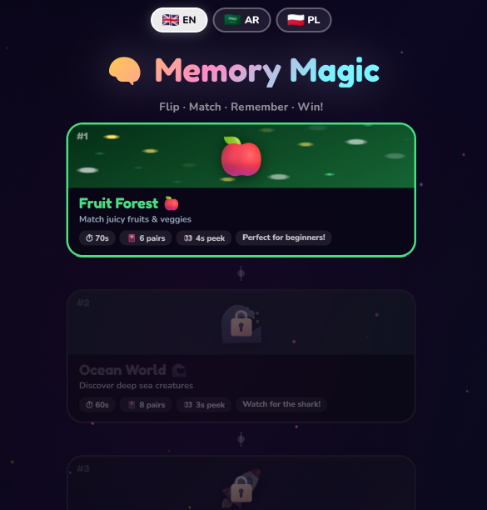
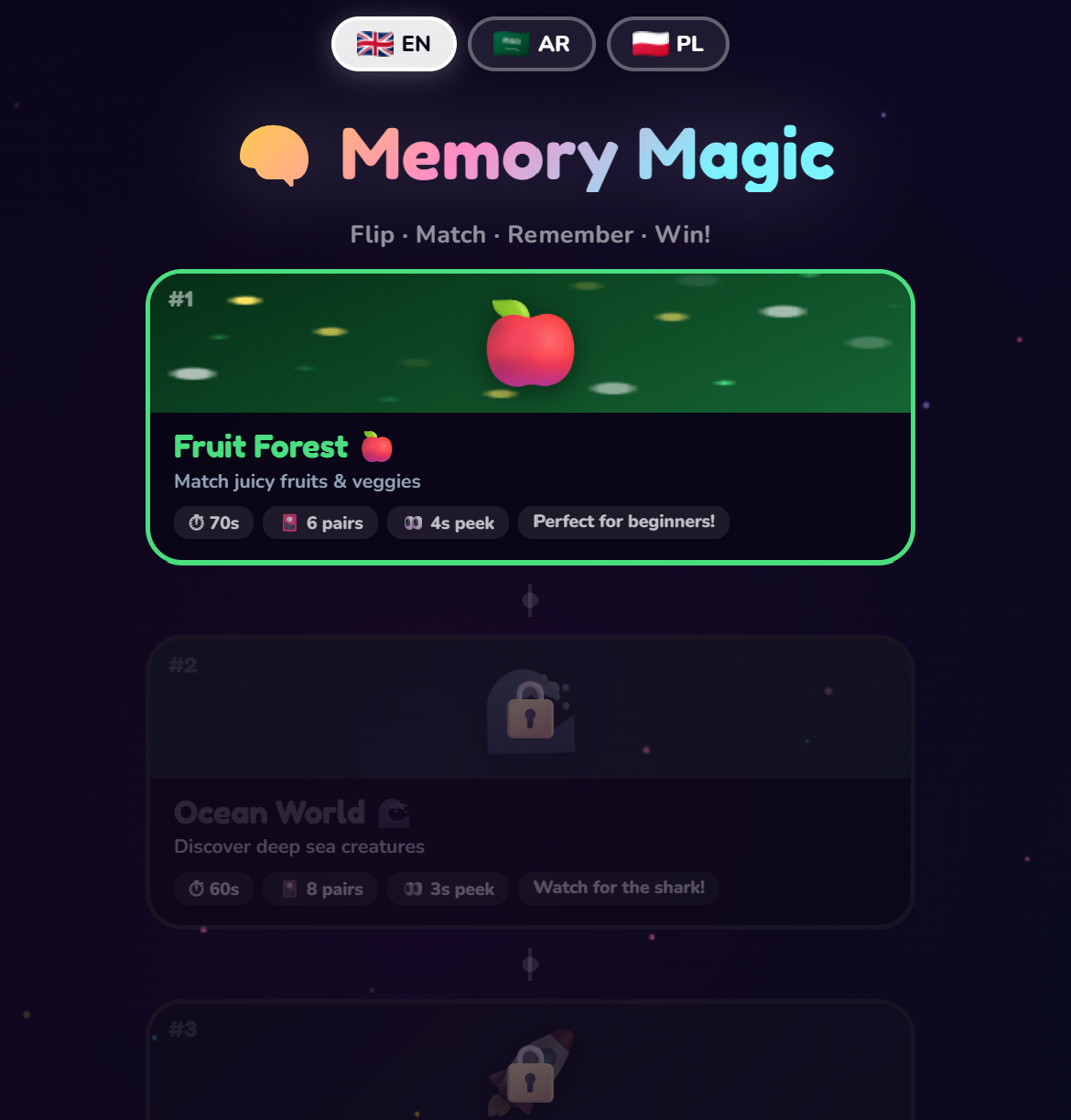
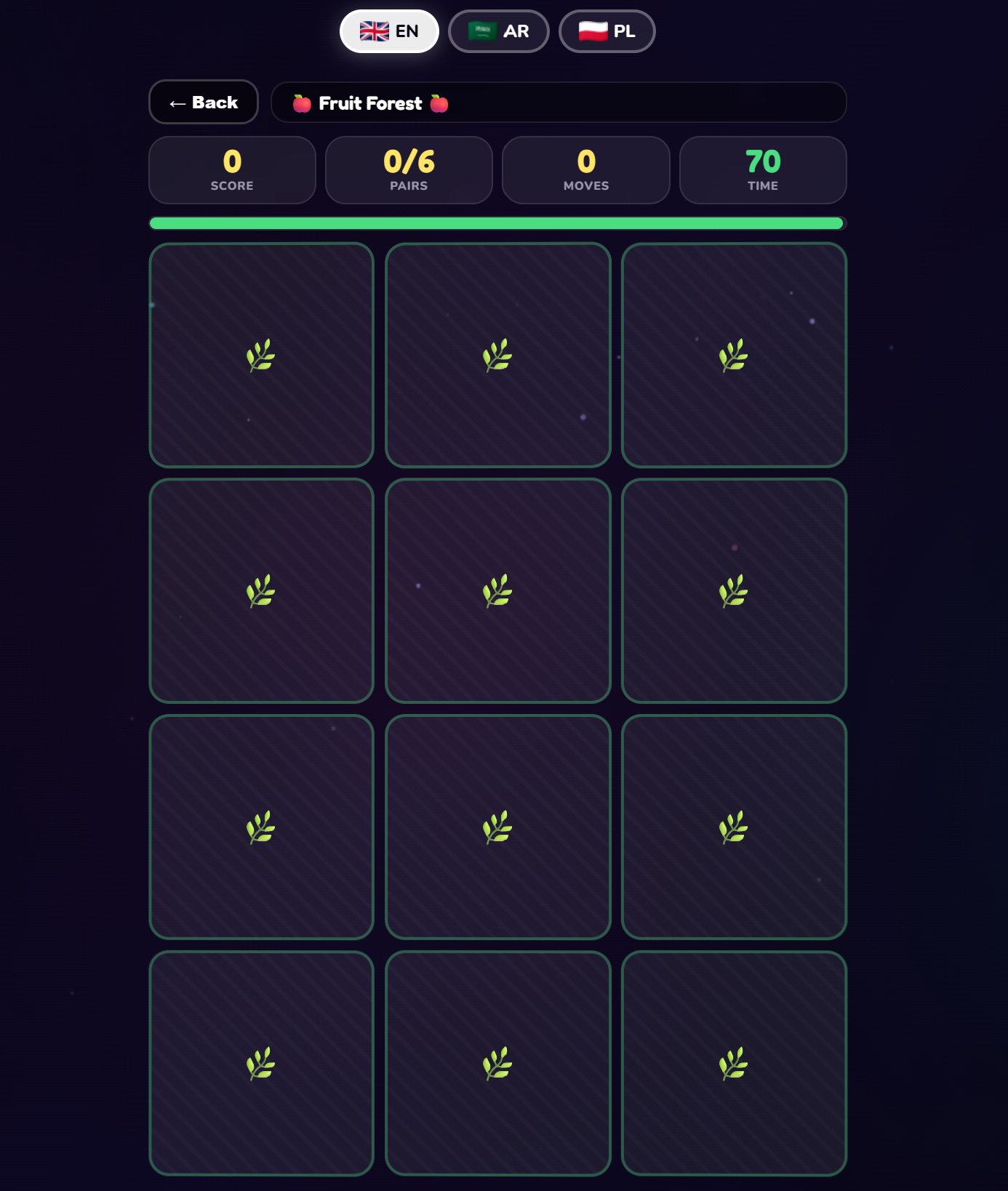
Bogata, wielopoziomowa gra memory, w której dzieci odkrywają karty, aby znaleźć pasujące pary w 8 tematycznych światach — od sadów owocowych i stworzeń morskich po odgłosy zwierząt, nazwy liczb i próbki kolorów. Każdy poziom rozpoczyna się krótką fazą "podglądu", aby zapamiętać położenie kart, zanim plansza zostanie ukryta. Zaprojektowana dla dzieci w wieku 5–9 lat, skutecznie rozwija pamięć krótkotrwałą, koncentrację, pamięć wzrokową i szybkość przetwarzania poznawczego. Różnorodne tryby łączenia w pary (ten sam obraz, słowo-do-obrazu, liczba-do-nazwy) zapewnia, że dzieci cały czas uczą się podczas zabawy.
$0.00
Go To Product PageWskazówki edukacyjne
.png)
Payment options


